
Sensory Marketing: Where Scent Fits Alongside Sight, Sound, Touch and Taste
Sensory marketing means designing how a brand looks, sounds, feels, tastes and smells, so that the whole experience is consistent. For businesses with physical spaces, from cafés and clinics to hotels and showrooms, it's increasingly part of interior design rather than an afterthought.
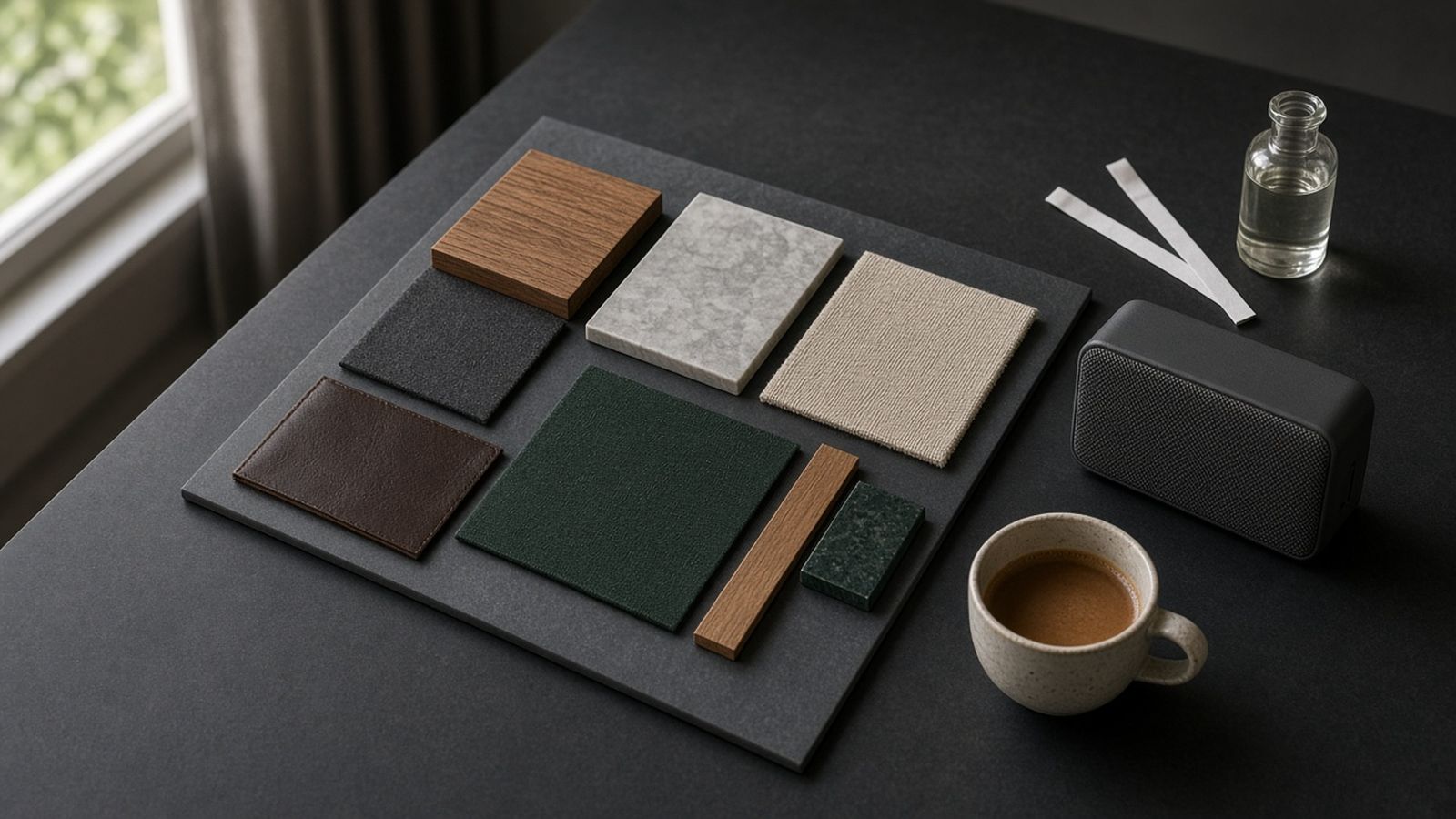
The five senses in a physical space
Sight.
Colours, lighting, materials, signage and layout. The sense most brands already manage carefully.
Sound.
Music, volume and acoustics. A café with hard surfaces and loud music feels very different from one with soft furnishings and quiet background music.
Touch.
The weight of a door, the texture of a counter, the comfort of a chair, the temperature of the room.
Taste.
Relevant mainly for food and drink, but also for the welcome drink in a hotel, the coffee in a showroom or the water in a waiting room.
Smell.
The sense people meet first as they walk through the door, and one that is closely linked to memory and emotion. A pleasant ambient scent has been found to help people remember and recognise brands[1], and to make shoppers rate a store more favourably[2].
Why the senses work best together
The senses don't work in isolation. A fresh citrus scent fits a bright, airy café better than a dark lounge. A warm woody scent suits soft lighting, timber and leather. When the senses tell the same story, the space feels coherent. When they clash, guests sense that something is off, even if they can't say what.
Bringing scent into the design conversation
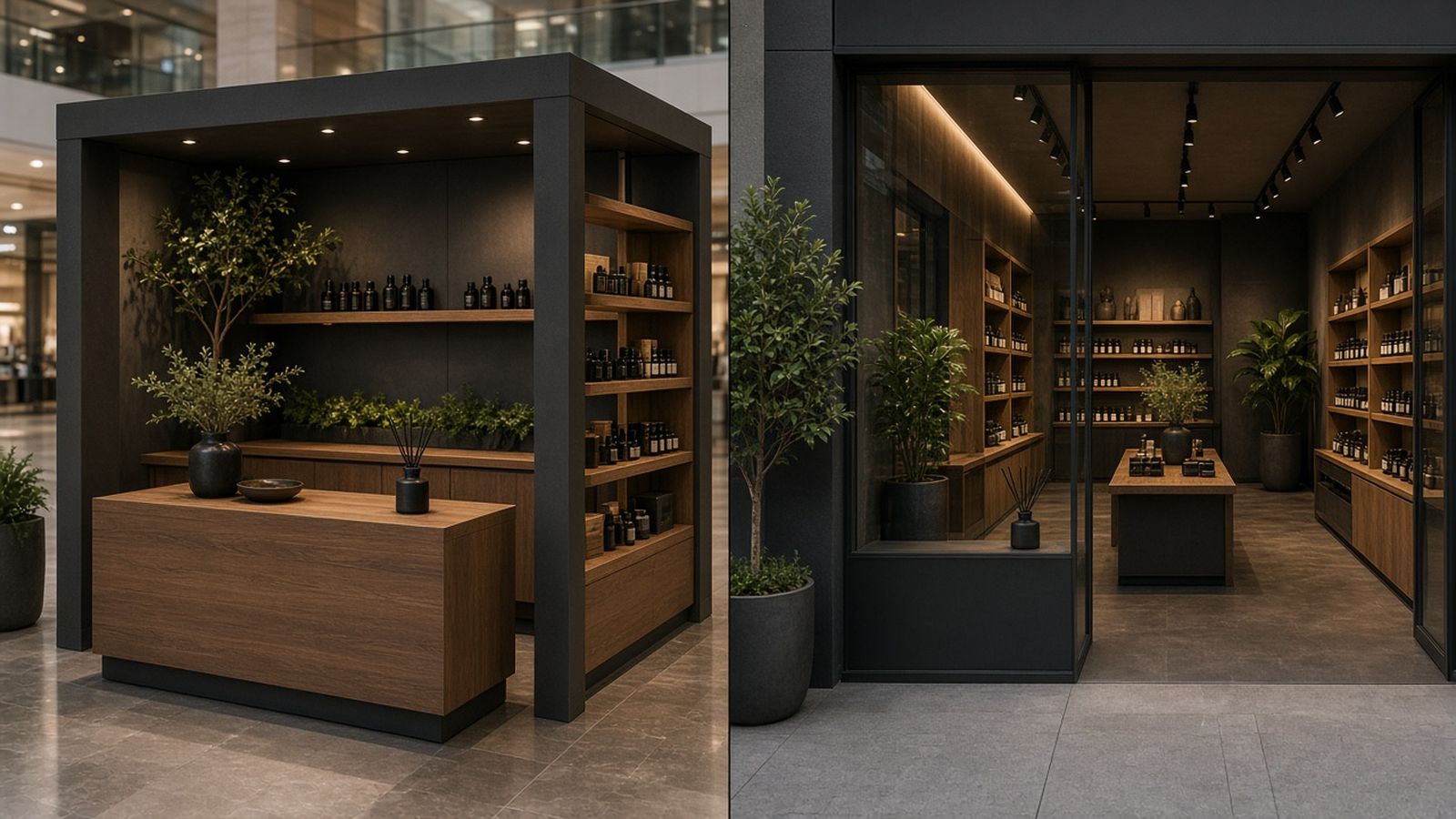
Interior designers and architects increasingly plan for scent the way they plan for lighting and sound. Thinking about it early helps:
- Choose a scent direction that matches the materials and palette.
- Plan where units will go, including power points and space near air-conditioning outlets, or allow for HVAC scenting in large areas.
- Mark scent-free zones such as dining areas, kitchens and treatment rooms.
- Think about the journey: where should guests first notice the scent, and where should it fade?
How to start
- Write down the feeling you want the space to give: calm, energetic, premium, friendly.
- Check each sense against that feeling.
- Choose a scent that fits, and keep it simple.
- Use it consistently, at a level that's noticeable on arrival but never overpowering.
- Review how guests respond after a few weeks.
How DuraScent helps owners and designers
We can join a project at the design stage or after opening. We survey the space, advise on placement and scent from our Scent Library of 40+ fragrances from European fragrance houses, or develop a custom signature scent, then install and maintain everything with a monthly Preventive Maintenance Visit.
Scent supports atmosphere and impressions. Results vary from space to space.
Sources
Citations are shown in their original English; DOI links open the publisher’s record in a new tab.
- Morrin, M., & Ratneshwar, S. (2003). Does it make sense to use scents to enhance brand memory? Journal of Marketing Research, 40(1), 10–25. https://doi.org/10.1509/jmkr.40.1.10.19128
- Spangenberg, E. R., Crowley, A. E., & Henderson, P. W. (1996). Improving the store environment: Do olfactory cues affect evaluations and behaviors? Journal of Marketing, 60(2), 67–80. https://doi.org/10.1177/002224299606000205